How to Paint a Metal Roof with a Roller?
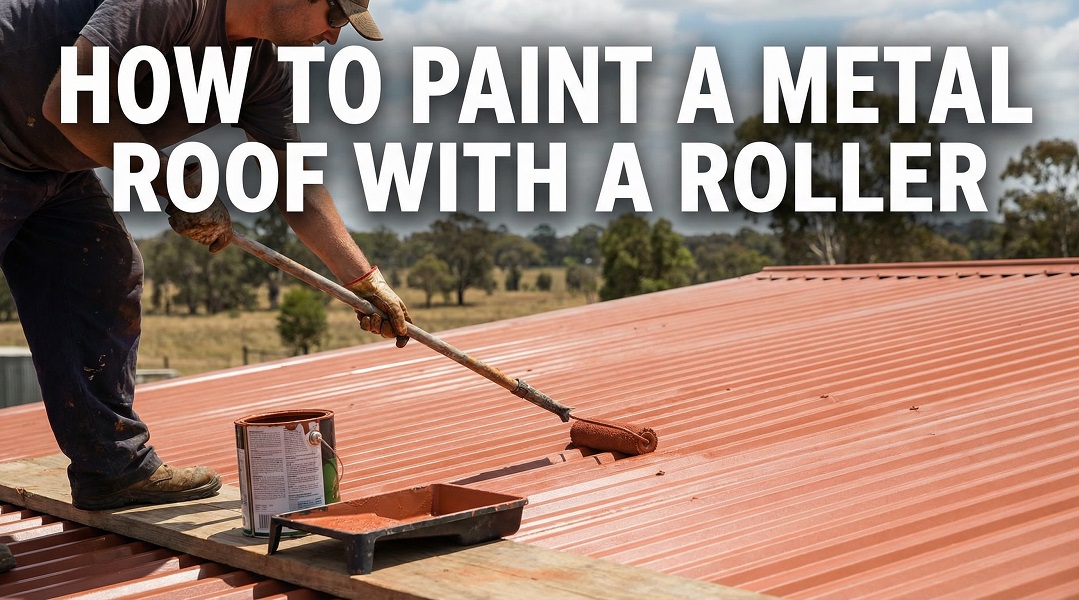
Paint a Metal Roof with a Roller

Yes, you can paint a metal roof with a roller, but success depends on proper surface preparation, using the right primer and paint system, and working in correct weather conditions. Most metal roof coating failures happen because of inadequate cleaning and prep, not the application method. Here’s what you actually need to know to get professional … Read more
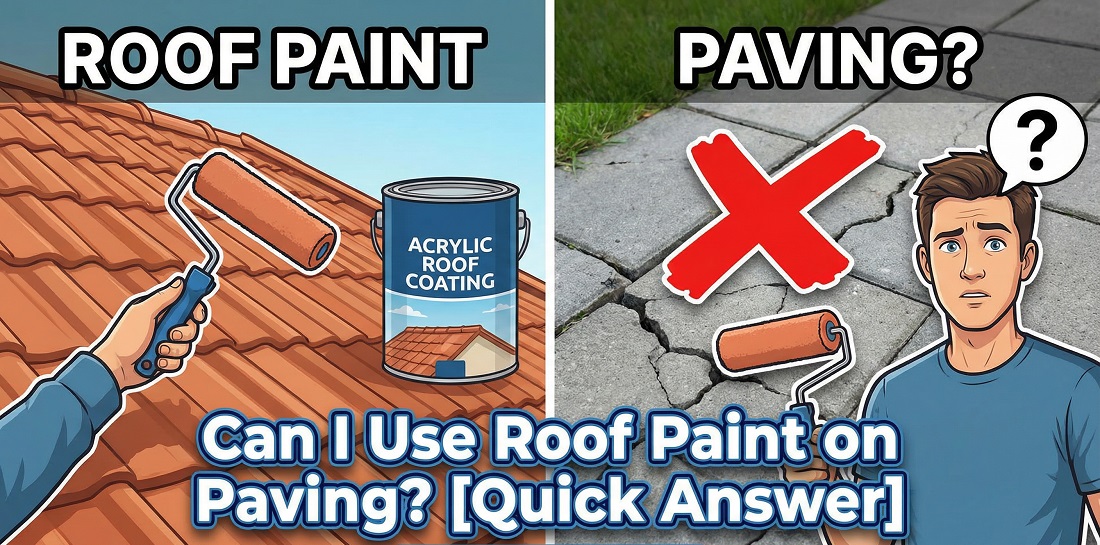
Can I Use Roof Paint on Paving? [Quick Answer]

Can I Use Roof Paint on Paving

It depends on the TYPE of roof coating. Traffic-rated acrylic concrete coatings and asphalt emulsions work on paving. Elastomeric shingle coatings and rubberized roof sealants don’t. Here’s how to tell which you have and whether it’ll work. Which Roof Coatings Work on Paving WORKS: Traffic-Rated Acrylic Concrete Coatings These are designed for flat roofs AND concrete … Read more

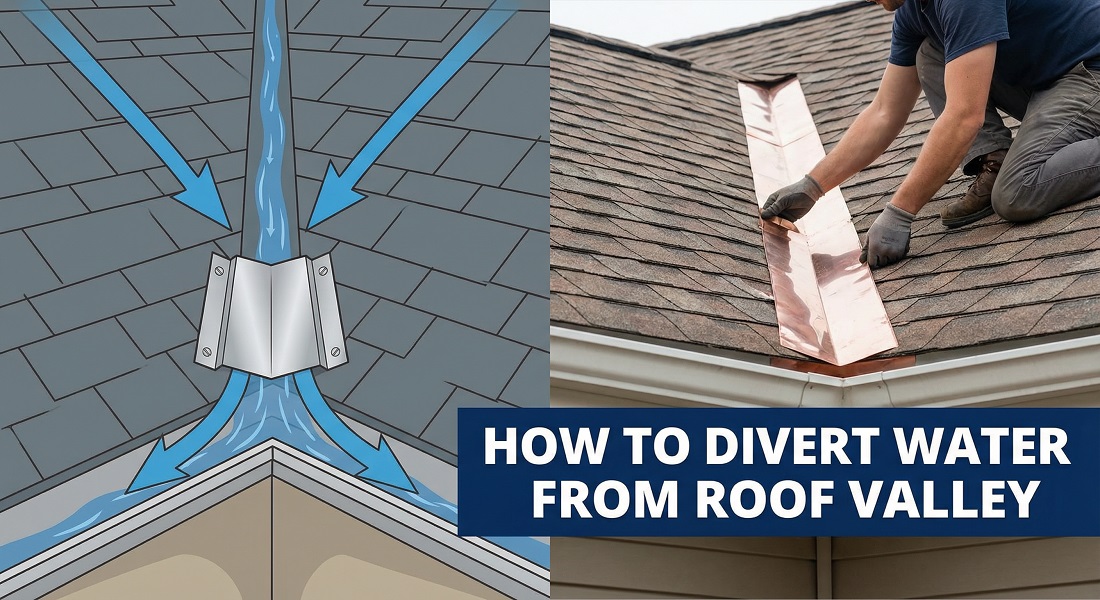
How to Divert Water from Roof Valley?

How to Divert Water from Roof Valley

Roof valleys naturally divert water when properly installed—the problem is when they’re installed wrong or maintained poorly. As a Roofing Professionals, I’ve fixed hundreds of valley failures. The issue is almost never “how to divert water” from a valley—it’s fixing installation mistakes, clearing debris, or repairing damaged flashing that’s preventing the valley from doing its job. … Read more

How Long Can a House Sit Without Siding? [Real Answer]

How Long Can a House Sit Without Siding

A house shouldn’t sit without siding longer than 60-90 days maximum. After 20+ years framing houses and dealing with the aftermath of delayed siding jobs, I can tell you that three months is pushing it. Beyond that, you’re asking for trouble—water damage, mold, wood rot, and a repair bill that’ll make you sick. The “official” answer … Read more

Do Shingles Melt Together? Complete Answer

Do Shingles Melt Together The Complete Answer

Standard asphalt shingles don’t melt under normal conditions, but they soften significantly at temperatures between 140-180°F. The confusion comes from two distinct phenomena: thermal softening during hot weather (normal) and localized melting from concentrated heat sources like window reflections (a growing problem with modern Low-E windows). After working construction supervisor from couple of years across multiple … Read more

How Long Can House Wrap Be Exposed?

How Long Can House Wrap Be Exposed

House wrap exposure duration depends on manufacturer UV ratings, which range from 30 days to 12 months. Standard products like basic Tyvek HomeWrap are rated for 120 days (4 months). Premium UV-resistant products extend to 270-365 days (9-12 months). Building codes typically require siding installation before UV ratings expire. These ratings come from ASTM testing standards … Read more

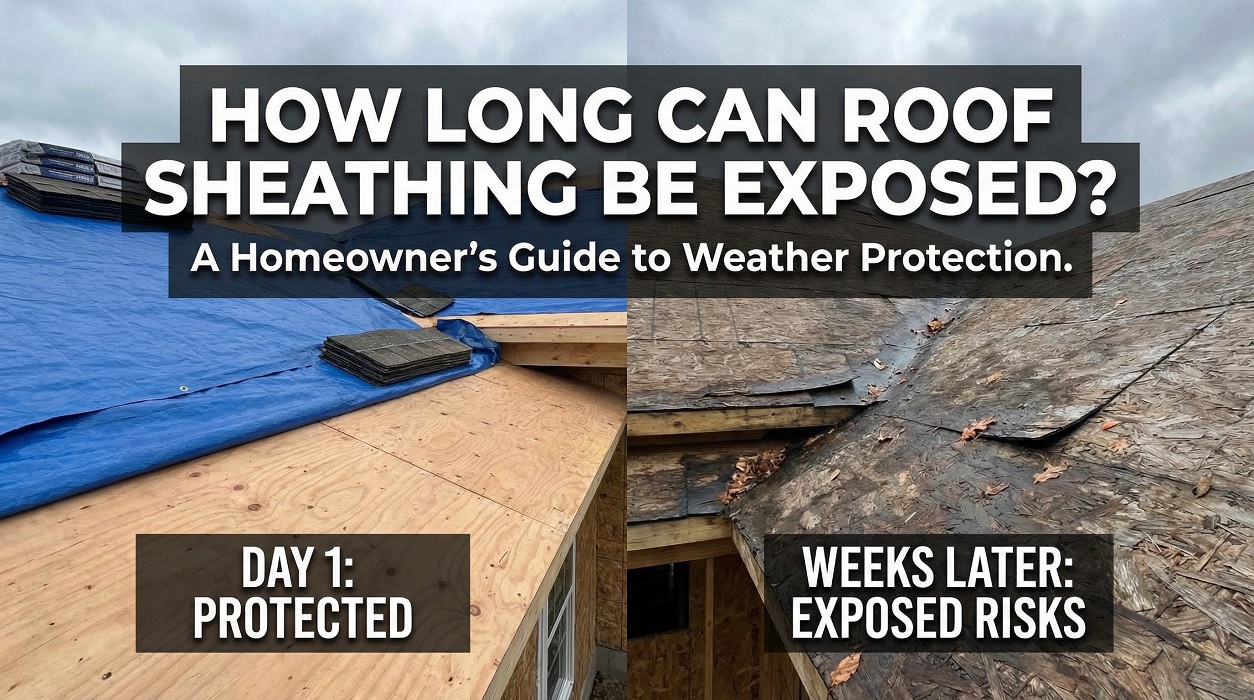
How Long Can Roof Sheathing Be Exposed?

how long can roof sheathing be exposed

Most roof sheathing should not be exposed longer than 30-60 days maximum. Building codes and manufacturer specifications typically limit exposure to 30 days, with some products rated for extended exposure up to 180 days under specific conditions. The actual safe exposure period depends on sheathing type, manufacturer ratings, weather-resistive barrier presence, and climate conditions. Exceeding manufacturer … Read more

How Many Layers of House Wrap Do I Need?

how many layers of house wrap do i need

You might need one to three layers of house wrap, depending on a few factors, such as weather, siding type, codes regarding your area, the purpose of your building, etc. As you already might know, when it comes to wrapping your house, it’s not a one-size-fits-all situation. But I have made a table to give … Read more

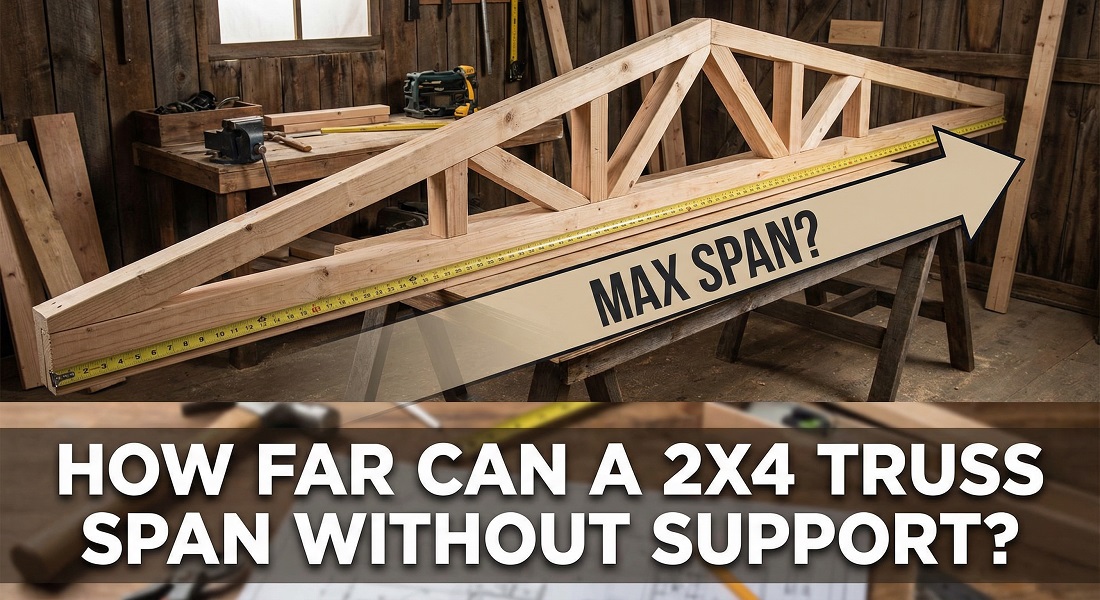
How Far Can a 2×4 Truss Span Without Support? [Engineering Reality]

how far can a 2x4 truss span without support

The question itself needs clarification. A single 2×4 board spanning as a beam maxes out at 6-8 feet for floor joists and 8-10 feet for roof rafters depending on load and spacing. An engineered truss system built with 2×4 members can span 20-60+ feet because the triangulated design distributes loads completely differently than a single board. After 20+ years … Read more

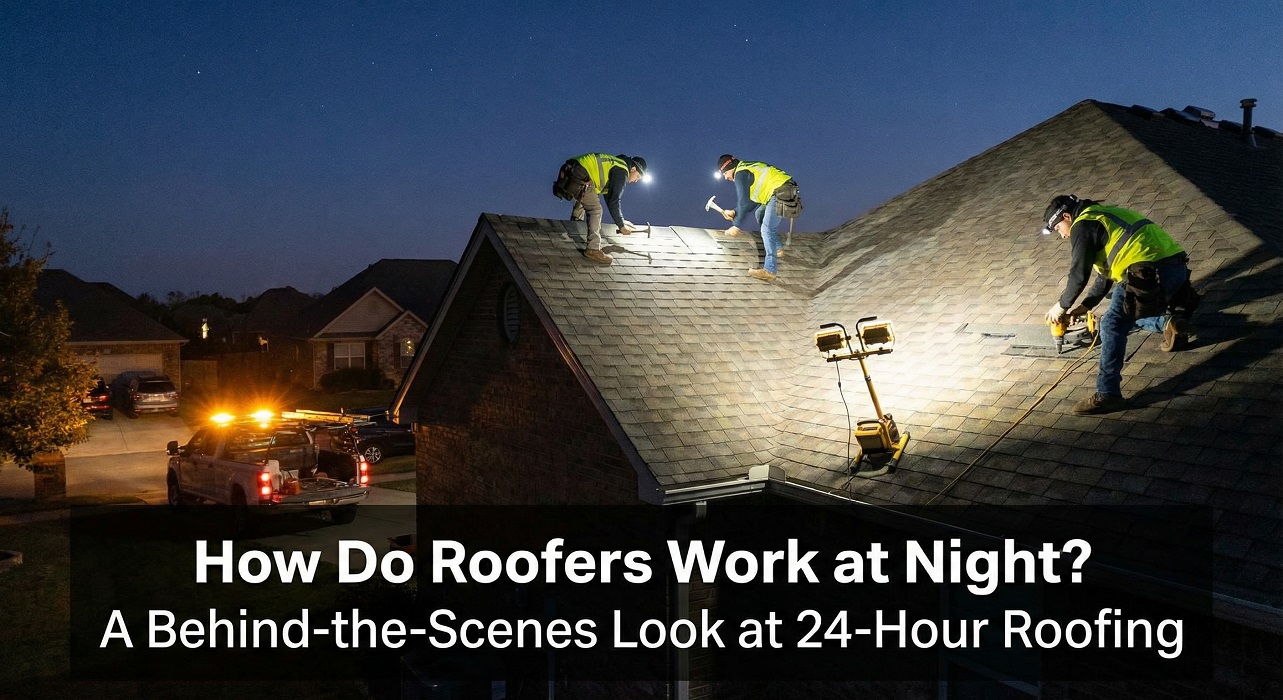
How Do Roofers Work at Night?

how do roofers work at night

Most professional roofers don’t work at night, and for good reason. After 20+ years in the roofing industry, I can count on one hand the number of legitimate nighttime roofing jobs I’ve done. The exceptions are emergency tarping after storm damage or critical leak containment—not full roof installations or replacements. Here’s the reality: Any roofing company offering routine night roofing … Read more

How Long Does It Take a Roof to Dry After Rain? [Roofer’s Answer]

how long does it take a roof to dry after rain [roofer's answer]

Straight Answer: Most roofs take 12-24 hours to dry after rain. Metal roofs dry fastest (4-8 hours), asphalt shingles need about a day, and flat roofs can take 2-3 days. After 20+ years of roofing in everything from desert heat to Pacific Northwest rain, I can tell you this matters more than most people think. Why it … Read more